Featured
A Biased View of Short-Term Effects of Importance of Financial Literacy for Better Management : APFSC Choices
Table of Contents
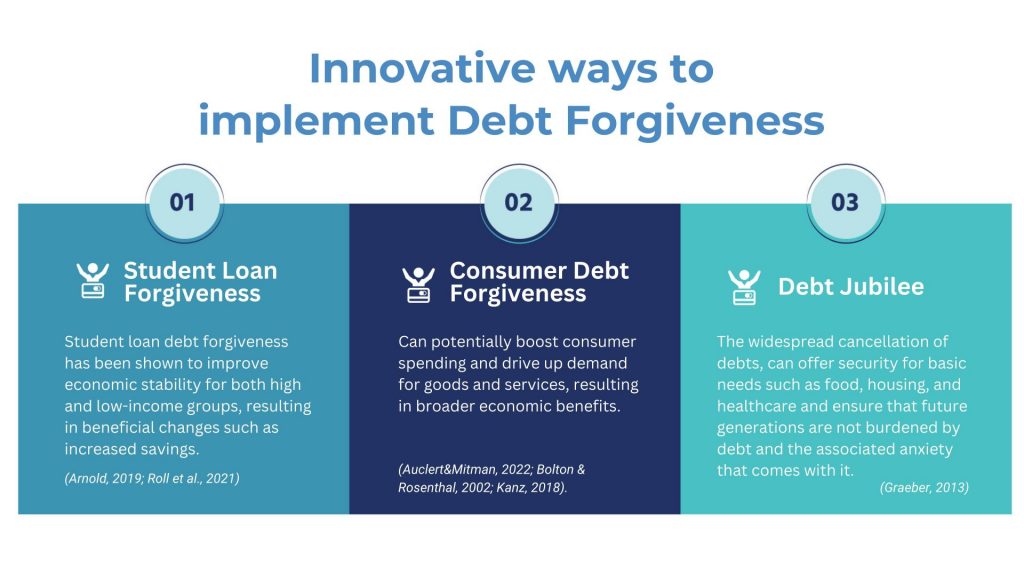
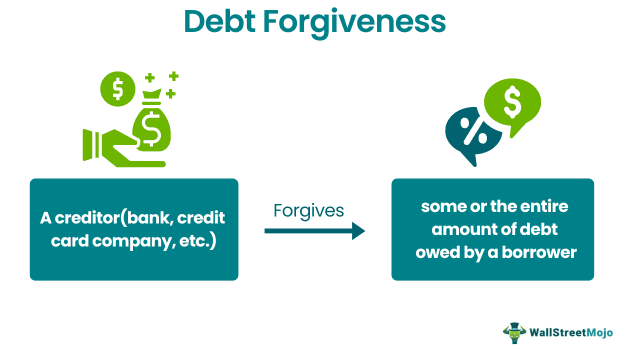
That liberates money in the short term, and you may have three to 4 years to conserve toward the settlement quantity. Really unsafe to credit rating, mainly because of missed settlements and a negative "resolved" mark that could remain on your credit rating record for up to seven yearsMay be just option if other choices (debt consolidation, equilibrium transfer credit rating cards, debt mercy) aren't possibleTypically calls for a fee to the 3rd party, which might counter some or all of the cost savings from debt settlementMay aid you prevent insolvency if you have actually missed out on numerous paymentsNot all creditors collaborate with financial obligation negotiation firms Debt forgiveness might be best for you if you are experiencing an economic hardship that makes it nearly impossible to pay for your debt equilibriums.
With a DMP, you make one month-to-month settlement to the credit score counseling agency. Those funds are after that distributed to lenders of your unprotected financial obligations, such as credit score cards and installment lendings. The company deals with your creditors to reduce rates of interest or forgo costs, but some lenders might refuse such concessions.
A financial debt consolidation loan combines your eligible financial debts right into one new funding. It can assist you pay down financial obligation if you have the ability to safeguard a lending rate that's reduced than the ordinary price of the accounts you're settling. However, you have to avoid racking up financial obligation on those freshly cleared accounts or your debt can expand even greater.
That provides you plenty of time to get rid of or considerably decrease your balance while making interest-free repayments.
Exploring Importance of Financial Literacy for Better Management : APFSC in 2024 Can Be Fun For Everyone
You may require it if your financial institution or a debt collector ever before attempts to collect on the financial obligation in the future. The letter might show you don't owe what the debt collector's documents reveal. Yes, for the most part, the internal revenue service takes into consideration forgiven financial debt as gross income. When a lending institution forgives $600 or even more, they are called for to send you Kind 1099-C.
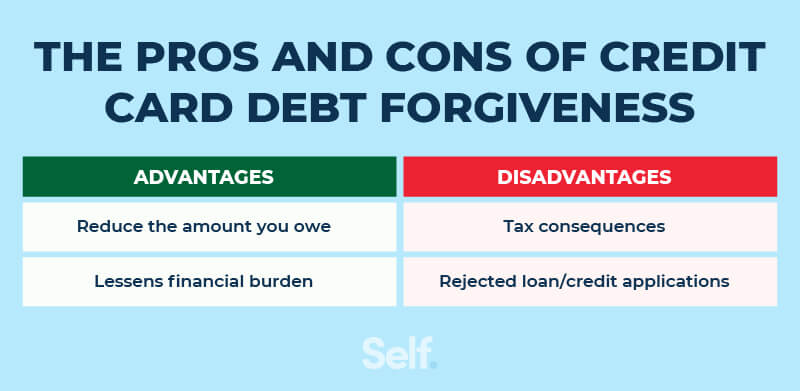
Debt mercy or negotiation usually injures your credit score. Anytime you clear up a financial debt for much less than you owe, it may look like "worked out" on your credit report and impact your credit scores rating for seven years from the date of negotiation. Your credit report can also go down considerably in the months leading to the forgiveness if you drop behind on settlements.
Your Legal Rights According to Bankruptcy Law for Beginners
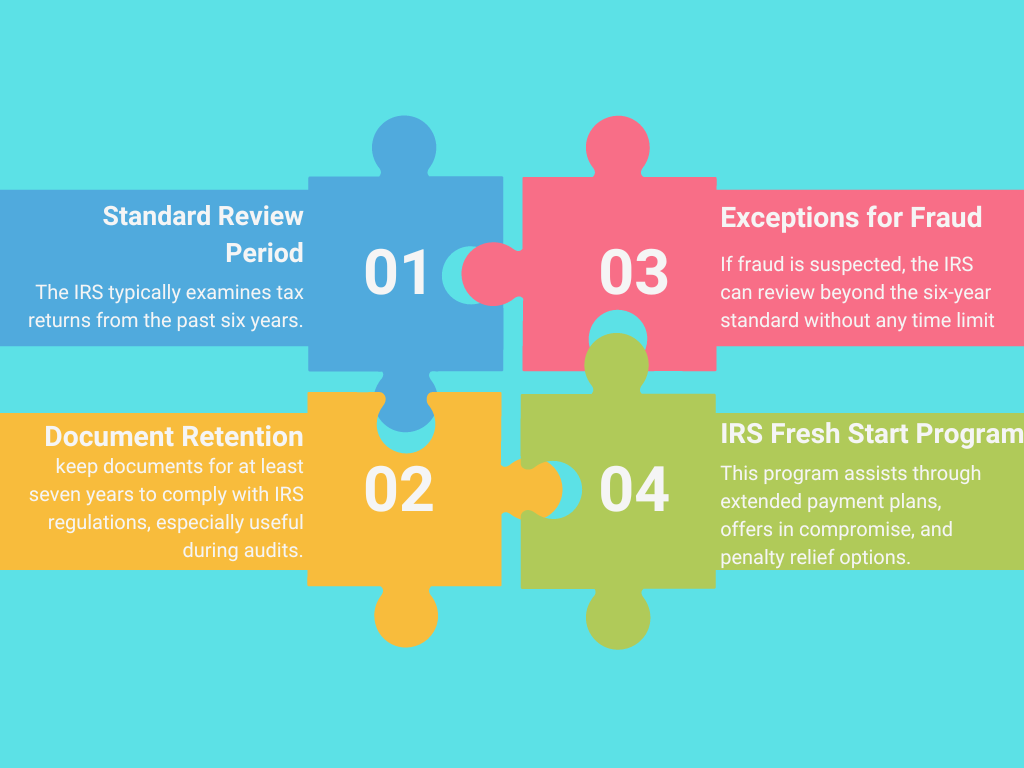
Tax financial debt compromise programs Tax obligation financial debt takes place when the quantity of taxes you owe surpasses what you have paid. This scenario commonly results from underreporting revenue, not filing returns in a timely manner, or inconsistencies located during an internal revenue service audit. The consequences of collecting tax debt are severe and can include tax obligation liens, which offer the internal revenue service a lawful claim to your property as safety and security for the financial debt.
Greater rate of interest on available credit scores. Salaries and Financial institution Accounts internal revenue service can impose (take) wages and savings account to please the financial obligation. Decreased income and interruption of vital financial processes. Building Seizure In extreme instances, the internal revenue service can take and market property to cover the financial obligation. Loss of useful assets and potential variation.
Clinical depression, anxiousness, and other psychological health issues. Social Preconception Facing lawful activity from the IRS can carry social preconception. Damage to credibility and relationships. Work Opportunities A bad credit history because of strain financial obligation can limit employment possibility. Trouble finding or maintaining a task. Federal government Benefits Tax obligation financial debt may influence qualification for federal government advantages, such as Social Safety and Medicaid.
Some Known Factual Statements About Questions to Ask a Importance of Financial Literacy for Better Management : APFSC Service
The OIC considers several elements, including the taxpayer's earnings, expenditures, asset equity, and capability to pay. Efficiently bargaining an OIC can be complex, requiring a detailed understanding of the internal revenue service's standards and a solid argument for why your offer straightens with your capability to pay. It is necessary to note that not all applications are accepted, and the procedure requires comprehensive economic disclosure.
The internal revenue service examines your general economic situation, including your income, expenses, possession equity, and capability to pay. You must likewise be current with all declaring and settlement needs and not remain in an open bankruptcy proceeding. The IRS also considers your conformity history, assessing whether you have a document of prompt filing and paying taxes in previous years.
Some Known Factual Statements About Is It Worth vs DIY Options
The application process for a Deal in Compromise entails several comprehensive steps. First, you must complete and send IRS Form 656, the Deal in Compromise application, and Type 433-A (OIC), a collection details statement for individuals. These kinds need detailed monetary info, including details regarding your revenue, debts, expenditures, and possessions.
Back taxes, which are unpaid tax obligations from previous years, can significantly increase your complete IRS debt if not dealt with without delay. This financial debt can accumulate passion and late payment charges, making the initial quantity owed much larger with time. Failure to repay taxes can lead to the internal revenue service taking enforcement activities, such as providing a tax obligation lien or levy versus your residential or commercial property.
It is essential to address back taxes asap, either by paying the sum total owed or by organizing a settlement plan with the IRS. By taking aggressive actions, you can stay clear of the accumulation of additional rate of interest and fines, and prevent much more aggressive collection activities by the IRS.
One typical reason is the belief that the taxpayer can pay the sum total either as a round figure or through a layaway plan. The internal revenue service also takes into consideration the taxpayer's earnings, expenses, asset equity, and future earning capacity. If these aspects indicate that the taxpayer can pay for to pay greater than the provided amount, the internal revenue service is likely to reject the offer.
The Best Strategy To Use For Chapter 7 Fundamentals Before Filing
It is important to give accurate and full details in your application and to seek advice from with a tax specialist to boost the possibilities of approval. Managing IRS debt can be complicated and complicated. Tax obligation specialists, such as Certified public accountants, tax obligation lawyers, or enrolled agents, can offer indispensable assistance. They have the expertise to navigate the complexities of tax regulation and IRS procedures.

Table of Contents
Latest Posts
Not known Facts About Being Cautious Against Dishonest Schemes
The 45-Second Trick For "Loan Forgiveness for Healthcare Workers in Rural Areas Ruins Your Credit" Exposed
Not known Incorrect Statements About Economic Uncertainty and How More Americans Need for Debt Forgiveness
More
Latest Posts
Not known Facts About Being Cautious Against Dishonest Schemes
The 45-Second Trick For "Loan Forgiveness for Healthcare Workers in Rural Areas Ruins Your Credit" Exposed
Not known Incorrect Statements About Economic Uncertainty and How More Americans Need for Debt Forgiveness